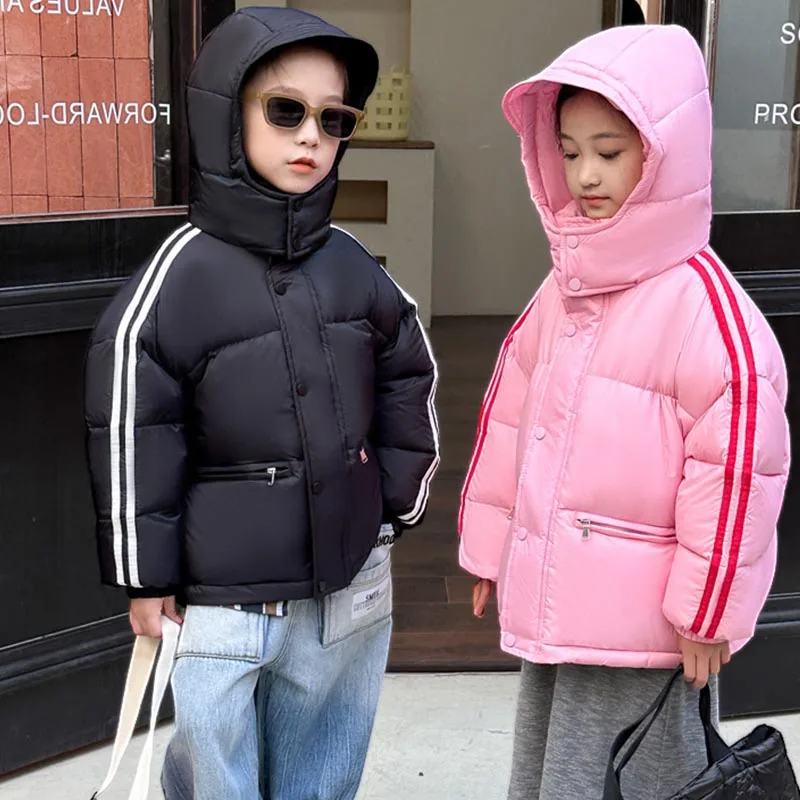
As the seasons change, so do the needs of your child’s wardrobe. While the shift from winter to spring or summer to fall may bring excitement with new clothes and accessories, it can also feel like a daunting task. Not only do you need to ensure your child is dressed appropriately for the weather, but you also want to stay organized, ensure the clothes fit, and maintain a clutter-free space.
Here’s your complete guide to swapping out your child’s clothing with the seasons, ensuring that they stay stylish, comfortable, and ready for anything the weather throws their way.
Why Swapping Out Clothing Is Essential
Changing out your child’s clothing as the seasons transition may seem like a lot of work, but it offers many benefits:
- Keeps Them Comfortable: Seasonal clothing is designed with specific weather in mind, whether it’s lightweight, breathable fabrics for summer or thicker, insulating materials for winter. Swapping out clothes ensures your child is always dressed appropriately for the temperature, preventing discomfort from overheating or shivering.
- Avoids Overcrowding: As your child grows, their wardrobe can quickly become overloaded with clothes. Seasonal swaps help you stay organized, removing items that are out of season and ensuring there’s enough room in the closet for current essentials.
- Keeps Clothes in Good Condition: Storing off-season clothes properly helps preserve their condition. For example, wool sweaters can easily be damaged by moths, and summer clothes might get stained if left unchecked. Swapping out clothes allows you to inspect and clean them before storing.
- Offers Opportunity for Donations: As children grow quickly, it’s easy to miss the fact that certain clothes no longer fit. Swapping out clothes gives you the chance to donate gently-used items that no longer serve your child’s needs.
How to Effectively Swap Out Clothing
Swapping out your child’s clothing isn’t as simple as just switching out the seasonal clothes in their closet. A well-organized process will make the task much easier and help you stay on top of what your child actually needs for the upcoming season. Here’s a step-by-step guide to doing it right.
Step 1: Start by Sorting
Before you even think about packing away the current season’s clothes, start by sorting everything into categories. Separate the items your child has outgrown from those they can still
wear. The key is to make sure that only clothes that are in season and still fit are kept in their wardrobe.
- Outgrown Clothes: If a piece of clothing no longer fits or is damaged beyond repair, it’s time to say goodbye. Donate items in good condition, or pass them down to a friend or family member.
- Seasonal Clothes: Check the current season’s clothes for any that need to be replaced. Are there any jackets that are too small? Or pants that no longer fit? Make a list of what needs to be purchased or swapped.
- Storage Clothes: Everything that’s no longer in season needs to be carefully packed away. This is the time to store items like winter coats, hats, gloves, and scarves for the warmer months. Similarly, summer clothes like shorts, tank tops, and swimsuits will need to be stored when the colder months roll in.
Step 2: Clean Everything Before Storage
Before packing away any off-season clothes, it’s essential to clean them. A fresh, clean wardrobe will keep your child’s clothes in good condition while stored.
- Washing: Wash all clothes before storing them to avoid dirt, food, or other stains setting in. If your child’s clothing is heavily soiled, consider using a stain remover to make sure everything is fresh.
- Drying: Make sure clothes are completely dry before storage to prevent any mold or mildew buildup. This includes outerwear, shoes, and accessories.
- Mending: Take the time to repair any torn clothes, missing buttons, or zippers that need attention. This ensures that you’re not scrambling to fix things once the season changes.
Step 3: Organize Seasonal Storage
Now that you have everything sorted, it’s time to organize and store the off-season clothes. Proper storage helps keep clothes in good condition and allows you to easily access them when the next season comes around.
- Storage Bins and Bags: Use clear plastic bins with tight-fitting lids for seasonal storage. This will help protect clothing from dust, moisture, and pests. Label each bin clearly with the season and size, so you can easily grab what you need when the season changes again.
- Use Hanging Bags for Delicate Items: Items like coats or dresses may be better off hung up in breathable garment bags. This keeps them wrinkle-free and in good shape. 3. Dryer Sheets or Lavender Bags: Place some dryer sheets or lavender sachets in the bins to keep things smelling fresh and to prevent any unwanted odors or pests.
Step 4: Refresh Your Child’s Wardrobe for the New Season
Once the old season’s clothes are packed away, it’s time to refresh your child’s wardrobe for the upcoming season. Begin by reviewing what you already have in their closet. Take stock of what still fits and what needs to be purchased.
- Make a List: Take note of items you may need to buy. Does your child have enough layers for fall or winter? Do they need new shorts or summer dresses? Make a list and budget accordingly.
- Shop Smart: When shopping for the new season, opt for timeless and versatile pieces that can be mixed and matched. Invest in quality basics like t-shirts, leggings, and jeans, and then add in trendy items, such as graphic tees or fun accessories, to keep things fresh.
- Size Up: Kids grow quickly, so when buying new clothing, consider purchasing a size or two larger to ensure they’ll fit through the season. If your child is between sizes, always go for the larger size to ensure they have enough room to grow.
Step 5: Display and Organize New Season’s Wardrobe
Now that you’ve got everything for the upcoming season, the next step is to organize it in a way that makes it easy for your child to dress. A well-organized wardrobe will help your child choose their clothes quickly and will make mornings less stressful.
- Use Closet Dividers: If your child’s closet space is limited, use dividers or drawer organizers to keep clothing separated by type (e.g., shirts, pants, dresses) or season. Color-coded bins or baskets are also a great way to keep everything in its place.
- Accessible Shelves and Hooks: For younger children, consider setting up low hooks or baskets so they can easily access their clothes. This makes it easier for them to get dressed independently and adds a fun, interactive aspect to the morning routine.
- Rotate Outfits Weekly: Consider rotating the clothes your child wears every week to ensure they are wearing all their new pieces and not just relying on the same few outfits. This also helps prevent over-wearing certain items, which could lead to early wear and tear.
Step 6: Don’t Forget Accessories and Outerwear
Along with clothing, make sure your child’s accessories and outerwear are ready for the season. Hats, scarves, gloves, and shoes are just as important as the clothing itself. Be sure to store off-season accessories carefully, and invest in some new seasonal essentials.
- Shoes: Assess your child’s current shoes to see if they need any new pairs for the new season. Consider purchasing weather-appropriate footwear, such as rain boots for spring, sandals for summer, or insulated boots for winter.
- Hats and Gloves: Check if your child’s winter accessories still fit. If not, it’s time to invest in a new set of warm hats, gloves, and scarves.
- Sunglasses and Sun Hats: Don’t forget the importance of sun protection for your child during the warmer months. Make sure to have a cute pair of sunglasses and a sun hat to keep them protected.
Conclusion
Swapping out your child’s clothing with the changing seasons is not only an opportunity to stay organized but also ensures they’re always dressed appropriately and comfortably for the weather. By following a simple and effective system for sorting, cleaning, storing, and refreshing their wardrobe, you’ll be able to create a space where getting dressed is fun and easy. Plus, swapping out clothing provides a great chance to donate items that no longer fit, keeping your child’s wardrobe fresh and functional.
With the right system in place, you’ll find that swapping out clothes is not a chore but rather an exciting way to prepare for the next season, ensuring your child is ready for whatever the weather brings.